Baltimore County Court Records Search helps people find case files, filings, and judgments from local courts. These records show what happened in a case and are maintained by the county court system for public review under Maryland law. Baltimore County court records include documents from civil, criminal, traffic, probate, and family cases. These files may contain case numbers, party names, hearing dates, motions, court orders, and final judgments. Courts create these records during legal proceedings, and the Clerk of the Circuit Court maintains and stores them as part of official records access procedures.
People search baltimore county court records for many practical reasons, including background screening, legal research, and personal case tracking. Employers often review case history during hiring decisions, and attorneys examine filings and docket entries for research and trial preparation. Residents check court dates, confirm judgments, or request copies for appeals and other legal filings. Many people also review baltimore county public records to verify legal status or gather documents needed for property transfers and financial transactions.
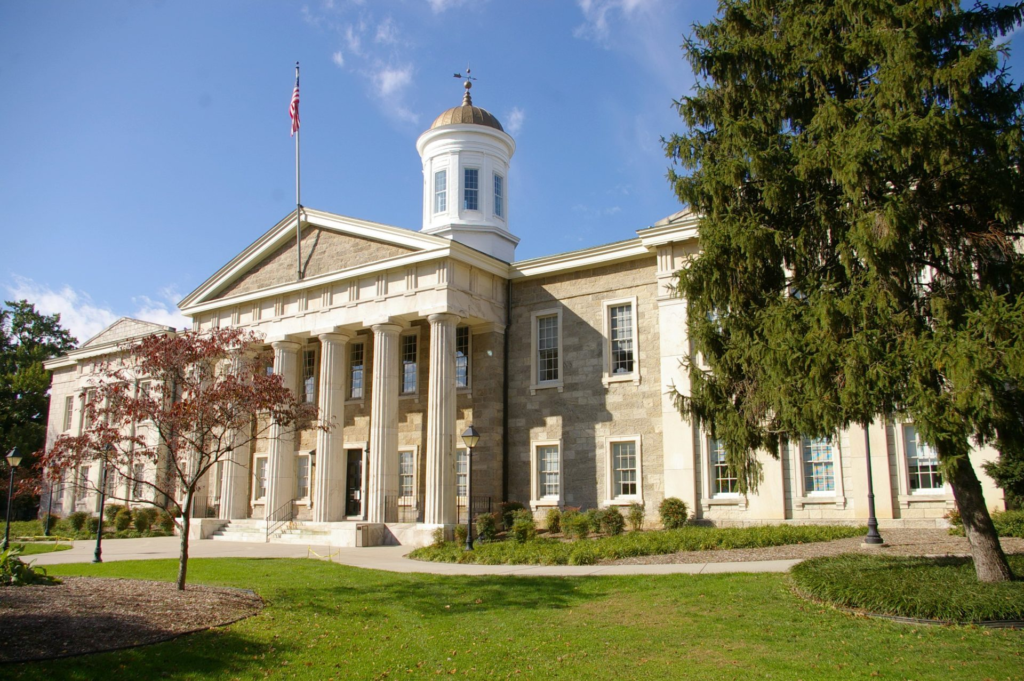
How Baltimore County Court Records Manage
The Circuit Court for Baltimore County and local District Court locations handle case filings and preserve records under Maryland judiciary standards. Baltimore Court clerks manage document indexing, maintain docket entries, and organize case files for public reference. They store both digital and physical archives to keep court records accurate and up to date.
Common record types include:
- Civil case files
- Criminal dockets
- Traffic citations
- Family court orders
- Probate and estate records
For document retrieval, users can:
- Search online case databases by name or case number.
- Visit the courthouse clerk’s office in person.
- Submit a formal record request for certified copies.
Some records are available for public review, though certain files remain restricted by law. Fees may apply for printed copies or certified documents. By using the correct case details and filing date, users can locate baltimore county court records faster and avoid delays in the request process.
How to Search Baltimore County Court Records Online
Baltimore County court records can be searched through the official Maryland Judiciary case search website. Users can complete an online record lookup by case number or party name using the Maryland court database public access portal. The system provides real-time case status information pulled directly from court filings. It helps users verify hearing dates, case outcomes, and active proceedings without contacting the clerk’s office.
The Maryland Judiciary Case Search system serves as the main public access portal for court records in Baltimore County. This court database allows users to perform a case status lookup, review docket entries, and check filing details without visiting the courthouse. It covers District Court and Circuit Court matters across Maryland. The portal offers a structured and searchable format that makes court record research simple and efficient.
The official link for online searches is: https://casesearch.mdcourts.gov/casesearch
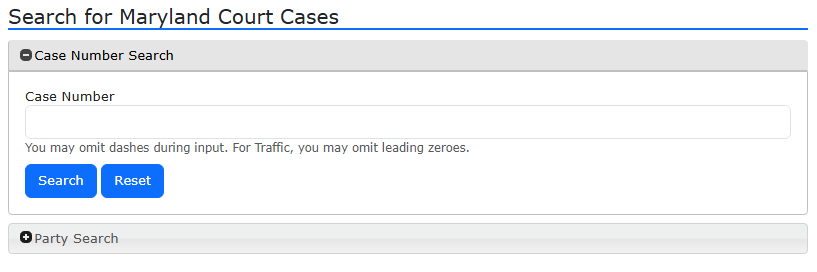
Steps for Online Record Lookup Process
Searching Baltimore County court records online follows a simple and structured request process, allowing users to locate case information efficiently. The website is fully accessible on both desktop and mobile devices, making it convenient to search records anytime and from any location.
Visit the Maryland Judiciary Case Search Website
Open the official portal through the Maryland Judiciary website. Accept the disclaimer to proceed.
Select Search Criteria
Choose how to search:
- By case number
- By party name
- By company name
- By attorney name
Enter Search Details
Fill in the required fields carefully. Small spelling errors may produce no results.
Review Results List
The system will display matching cases. Each entry shows:
- Case number
- Party names
- Court location
- Filing date
- Case status
Open the Case Record
Click the case number to view detailed docket entries.
This process completes a basic online record lookup without filing a formal record request.
Searching by Case Number
A case number search provides the fastest and most accurate way to locate specific court records without confusion. Each court case is assigned a unique identification number at the time of filing, which ensures precise tracking and reliable search results throughout the case process.
To search by case number:
- Select “Case Number” from the menu.
- Enter the full number exactly as shown on court documents.
- Click search.
This method limits incorrect matches and quickly returns the correct case status lookup result.
Searching by Party Name
If the case number is unknown, users can search by party name instead. This option allows access to case details without needing the exact file number. The search works for plaintiffs, defendants, or respondents listed in the record. It provides a practical alternative when only basic case information is available.
Enter:
- Last name
- First name (if known)
- Middle initial (optional)
The system may display multiple results for common names. Narrow results by:
- Adding a middle initial
- Filtering by court location
- Reviewing filing dates
This method is helpful for background research or checking court involvement.
Viewing Docket Entries and Case Details
Once a case is selected, the system displays all docket entries for that case. These entries provide a record of actions taken in court, keeping users informed about the case’s progress. They include filings, hearings, motions, and judicial decisions, all in chronological order. Reviewing the docket helps track updates and upcoming events. This timeline ensures transparency and makes following legal proceedings easier.
A typical docket may include:
- Filing date
- Motions submitted
- Hearing dates
- Judgments entered
- Case disposition
Users can check:
- Current case status
- Scheduled hearings
- Court division handling the case
For certified copies or full documents, a formal record request must be submitted directly to the courthouse.
Public Access Portal Limitations
The Maryland Judiciary case search system provides access to a wide range of public court information for users seeking details about cases. While most records are available for review, certain sensitive or confidential documents remain restricted and cannot be accessed by the general public. This system ensures transparency in legal proceedings while protecting private information, allowing individuals to search and monitor cases efficiently within the boundaries of the law.
Common limitations include:
- Sealed cases
- Juvenile matters
- Certain domestic cases
- Expunged records
Personal data such as Social Security numbers or financial account details do not appear in public listings.
What Are Baltimore County Court Records?
Baltimore County court records are official documents created during judicial proceedings in local courts. These records include case files, civil court records, criminal court records, family court records, and probate court records. They contain court filings, docket entries, and final court judgments issued by judges. Each document reflects actions taken during a specific case. Together, they form the formal legal record maintained by the court.
Court records serve as the written history of what happens inside a courtroom. Every motion filed becomes part of the official case files. Each hearing scheduled appears in the docket entries. Every decision issued is preserved within the court judgments. Courts store these records to track disputes and maintain transparency within the justice system.
Common components of case files include:
- Complaints and petitions
- Court filings and motions
- Docket entries
- Hearing transcripts
- Evidence exhibits
- Court judgments and sentencing orders
Each record provides factual details about the dispute and the court’s actions. For example, docket entries list every activity in chronological order, such as filings, scheduled hearings, or judge rulings. Court judgments state the final decision and any penalties or remedies ordered.
Court Records vs. General Public Records
Court records differ from general public records in both purpose and origin, serving as official documentation of legal proceedings and decisions made within the judicial system. Public records, on the other hand, may include property deeds, marriage licenses, or government meeting minutes and are typically created and maintained by local agencies outside the court system. This distinction ensures that legal matters are properly documented while general information remains publicly accessible.
Court records, on the other hand:
| Feature | Court Records | General Public Records |
|---|---|---|
| Created By | Judges and court clerks | Government agencies |
| Related To | Judicial proceedings | Administrative functions |
| Includes | Case files, docket entries, court judgments | Permits, licenses, tax records |
Court records focus strictly on legal disputes and judicial decisions. Public records cover broader government activity.
Which Courts Generate Records?
Several courts within Baltimore County create and maintain different types of records based on their specific functions. Each court handles particular case categories, such as civil, criminal, family, or probate matters. This organization ensures records are accurately documented, easily retrieved, and properly managed across the county’s judicial system.
- Civil Court Records – These involve disputes between parties, such as contract claims, property conflicts, or personal injury cases.
- Criminal Court Records – These relate to charges filed by the state, including misdemeanors and felonies.
- Family Court Records – These include divorce cases, child custody, child support, and domestic matters.
- Probate Court Records – These involve estate administration, wills, guardianship, and inheritance matters.
In Maryland, courts such as the Circuit Court and District Court generate these records. Each judicial body maintains official case files within its jurisdiction.
Importance of Court Records in Legal Proceedings
Court records play a central role in maintaining fairness and accountability. They preserve an accurate timeline of events during judicial proceedings. Attorneys rely on court filings to build legal arguments. Judges reference prior docket entries before issuing rulings. Parties review court judgments to comply with orders or prepare appeals.
These records also support:
- Legal research
- Background checks
- Appeals and post-trial motions
- Verification of case status
Without organized case files, courts could not track outcomes or enforce decisions effectively. By maintaining civil court records, criminal court records, family court records, and probate court records, Baltimore County courts uphold transparency and procedural integrity.
Types of Court Records Available in Baltimore County
Baltimore County provides public court records across civil, criminal, family, and probate matters. These records document case activity, court rulings, and filed documents through the official Maryland Judiciary system. Residents can search many of these records through the Maryland Judiciary Case Search portal at the official website of the Maryland Judiciary.
The District Court and Circuit Court serving the county operate under the Baltimore County Circuit Court and the statewide judiciary system. Each court maintains different case types based on jurisdiction and claim value. Below is a structured breakdown of the main record categories available in Baltimore County.
Civil Court Records
Civil court records include civil case files involving disputes between private parties, businesses, landlords, or government entities. These records document filings, motions, hearings, judgments, and settlement agreements. The District Court typically handles smaller disputes, including small claims cases where the amount in controversy is limited under Maryland law. The Circuit Court hears larger and more complex contract disputes, property claims, tort actions, and appeals from District Court decisions.
Common types of civil case files include:
- Breach of contract claims
- Property damage cases
- Landlord–tenant disputes
- Debt collection actions
- Personal injury claims
Each civil case file may contain:
- Complaint or petition
- Service of process documents
- Court docket entries
- Motions and responses
- Final judgment or dismissal order
Civil records serve multiple purposes. Attorneys review them to track litigation history. Businesses check them for risk evaluation. Property owners verify liens or judgments before transactions.
Court users can search by:
- Party name
- Case number
- Filing date
- Court location
Maryland Judiciary Case Search provides docket summaries online. Full certified copies must be requested from the clerk’s office.
Criminal Court Records
Criminal court records document charges filed by the state against a defendant. These include arrest-related case files, court hearings, plea agreements, and final verdicts. In Baltimore County, criminal matters may begin in the District Court and move to the Circuit Court for serious charges. Case files often include police charging documents, bail review outcomes, and trial schedules.
Criminal record categories include:
- Misdemeanor cases (such as theft, DUI, or minor assault)
- Felony proceedings (including serious assault, robbery, or drug trafficking charges)
- Probation violation hearings
- Post-conviction motions
An arrest-related case file may contain:
- Statement of charges
- Arrest warrant details
- Bond information
- Court appearance dates
- Sentencing order
Maryland law limits public display of some sensitive information. Expunged records no longer appear in public searches. Juvenile records are confidential and handled separately. Employers, legal professionals, and defendants frequently review criminal dockets to verify case status. Sentencing details, probation terms, and disposition outcomes are recorded clearly within court entries.
Family & Divorce Records
Family court records focus on domestic matters, including marriage dissolution, child custody, visitation rights, and financial support issues such as alimony or child support. In Baltimore County, most family law cases are handled by the Circuit Court, which provides a structured system for resolving these matters. These records are maintained carefully to ensure accurate documentation, legal compliance, and accessibility for authorized parties involved in the proceedings.
Common record types include:
- Divorce decrees
- Custody orders
- Support judgments
- Protective orders
- Name change petitions
A divorce decree formally ends a marriage and outlines property division and support obligations. Custody orders define parental rights and visitation schedules. Support judgments set financial obligations for child or spousal support.
Family case files often include:
- Complaint for absolute or limited divorce
- Financial statements
- Parenting plans
- Mediation reports
- Final court order
Family records play a key role in:
- Child custody enforcement
- Support payment verification
- Legal name changes
- Future court modifications
Maryland courts encourage mediation before trial in custody disputes. Court dockets reflect hearing dates, status conferences, and final rulings.
Probate Records
Probate records pertain to the management and distribution of a deceased person’s estate, including the administration of wills, assets, debts, and inheritances. In Baltimore County, these matters are handled by the Register of Wills, which operates within Maryland’s probate court system. These records are carefully maintained to ensure legal compliance, proper execution of estates, and accessibility for heirs, beneficiaries, and authorized individuals involved in the probate process.
Probate files typically include:
- Validated wills
- Estate petitions
- Inventory reports
- Distribution accounts
- Guardianship cases
Estate administration begins when a personal representative files documents to open the estate. The court reviews the will, confirms heirs, and supervises distribution of assets.
Types of probate cases include:
| Record Type | Purpose |
|---|---|
| Wills | Shows final wishes of the deceased |
| Estate administration | Manages debts, taxes, and asset transfer |
| Guardianship cases | Appoints a guardian for minors or disabled adults |
Probate records help heirs confirm inheritance rights. Creditors may review filings to file claims. Real estate buyers sometimes check probate status before purchasing inherited property. Some probate documents are publicly viewable. Others require direct requests through the clerk’s office.
How to Request Certified Copies of Court Records
To request certified copies of court records, a person must contact the clerk of court office where the case was filed and submit a formal copy request. The clerk locates the case file using the case number or party name. Staff then review the record to confirm it is eligible for release. After locating the correct document, the clerk prepares the requested pages. If certification is required, the court applies an official seal and completes the records certification process.
Court files include documents such as judgments, motions, docket entries, and signed court orders. A person may request a plain copy for personal reference or general recordkeeping. A certified copy, in contrast, serves as official proof that the document matches the original court record. Government agencies, banks, and licensing offices often require certified copies for formal transactions. Since certified documents carry legal authority, they are commonly used for appeals, property matters, and identity verification.
Plain Copy vs. Certified Copy
A plain copy is a standard photocopy of a court document that does not include an official seal or certification statement. These copies are commonly used for personal records, background research, or informal review of case information. While they are useful for general reference, plain copies are not considered official legal documents and typically cannot be submitted as certified evidence in legal proceedings or formal administrative matters.
A certified copy includes:
- A stamp or official seal from the court
- A signed statement from the clerk
- A confirmation that the document matches the original record
Courts issue certified copies when a party needs proof that the document is authentic. For example, banks, state agencies, and passport offices may require a certified or notarized copy before accepting paperwork. In some cases, a notarized copy may be requested. A notarized copy confirms identity through a notary public, but it does not replace formal records certification issued by the court.
In-Person Request at the Clerk of Court Office
Many people choose to request certified copies of court documents in person at the relevant courthouse or records office. This method is often preferred because it can significantly reduce processing time compared to mail or online requests. By submitting the request directly, individuals can confirm requirements, make immediate payments, and receive official, sealed copies that are recognized for legal or administrative purposes without unnecessary delays.
Steps typically include:
- Visit the clerk of court office where the case was filed: https://casesearch.mdcourts.gov/casesearch
- Provide the case number or party name
- Complete a document retrieval request form
- Pay the required copy fees
Clerks may ask for photo identification, especially for sensitive files. Some case types, such as juvenile or sealed matters, may have limited official records access. In-person requests may be completed the same day if the file is available. Older archived cases may require extra time for retrieval.
Requesting Certified Copies by Mail
A person may request certified copies of court documents by mail when visiting the courthouse in person is not possible. This method allows individuals to submit the necessary forms, identification, and payment remotely. While processing may take longer than in-person requests, the mailed approach ensures that official, sealed copies of records are still accessible for legal, administrative, or personal purposes without requiring a physical visit to the court.
Mail requests usually require:
- A written request letter
- Case number and party details
- Clear description of the requested document
- Payment for copy fees (money order or cashier’s check)
- A self-addressed stamped envelope
The clerk processes the request once payment is confirmed. Mail requests often take longer than in-person visits, especially if staff must retrieve archived files.
Public Access Rules and Confidential Records
Most court records remain open to the public, yet sealed records, expunged records, and restricted case files receive legal protection under state law. Courts apply strict confidentiality laws that control who may view or copy sensitive documents. Privacy regulations restrict personal data such as Social Security numbers, financial details, and victim information. These protections exist to prevent misuse of court records and safeguard personal rights.
Public court systems strive to maintain transparency while preserving strong privacy protection standards. Judges and clerks follow formal court rules before releasing any document for public inspection. When a case qualifies for sealing or expungement, the record is removed from standard public search results. For current policies, court rules, and case search tools, users may review the official Missouri Courts portal.
What Court Records Are Public?
Courts make many records available to promote transparency and maintain public trust in the justice system. These documents help the public review case activity, court decisions, and hearing schedules. Most records appear through online case search systems managed by the state judiciary. People may request physical copies directly from the clerk’s office during regular business hours.
Common public records include:
- Case numbers and filing dates
- Names of parties in civil and criminal cases
- Scheduled hearing dates
- Final judgments and court orders
- Traffic citations and municipal violations
These documents fall under open court principles. Court dockets, pleadings, and motions often remain viewable unless a judge restricts them. Missouri courts follow statewide court rules that define which documents remain open. Public case data supports accountability. It allows employers, landlords, and media outlets to verify legal proceedings within court access limitations set by state law.
Which Records Are Restricted or Sealed?
Some files remain private to protect victims, minors, and highly sensitive personal details. Courts restrict public viewing through formal sealing orders issued by a judge. State statutes also require automatic protection for certain case types, such as juvenile or adoption matters. These measures help maintain confidentiality and prevent misuse of private court information.
Restricted case files may include:
- Juvenile court matters
- Adoption records
- Mental health proceedings
- Certain family court documents
- Victim-identifying information
- Financial account numbers and Social Security data
A judge can issue an order to seal records. Once sealed, the file no longer appears in public search results. Only authorized parties, such as attorneys or law enforcement, may review the material. Privacy regulations protect these records from public inspection. Clerks follow strict court access limitations before releasing copies.
How Expungement Affects Public Records
Expunged records go a step further than sealed files in terms of privacy protection. When a court grants expungement, the case is removed from public databases and official search systems. The record no longer appears in standard background checks conducted by employers or landlords. In most situations, the person may legally state that the expunged case did not occur.
Under Missouri law, certain arrests and convictions qualify for expungement after waiting periods. Once approved:
- The public can no longer view the case.
- Employers cannot use the record in hiring decisions.
- The person may legally state the incident did not occur in most situations.
Courts treat expunged records as closed to the public. Only limited government agencies may view them under specific legal authority.
Baltimore County Public Records vs Court Records
Baltimore County public records include many types of government documents, such as property deeds, birth certificates, tax assessments, licensing files, and agency reports. These records are created and stored by various county departments as part of their official duties. Court records form one category within public records and come directly from cases filed in the county’s court system. They document legal actions, hearings, rulings, and final judgments issued by a judge.
Many people search for baltimore county public records and expect to find court case details right away. In reality, public records include a much broader range of documents beyond lawsuits or criminal charges. Property transfers, marriage licenses, probate filings, and police reports all fall under the public records category. This section clearly explains the differences so users can identify the correct record type, save time, and avoid confusion during their search.
What Are Baltimore County Public Records?
Baltimore County public records include documents created or stored by local government offices. These records come from agencies such as the county clerk, health department, land records office, and law enforcement units. These documents may cover property ownership details, marriage licenses, birth and death certificates, business filings, and police reports. Each department manages its own records under Maryland public information laws and provides request procedures for residents and researchers.
Common types of public records include:
- Property records – deeds, mortgage filings, land transfers, tax assessments
- Vital records – birth certificates, death certificates, marriage licenses
- Criminal records – arrest reports, police incident reports, inmate records
- Business licenses and permits
- Meeting minutes and government reports
For example, property documents are usually filed through the land records system managed at the county level in coordination with the Maryland Judiciary. Vital records are often handled by the Maryland Department of Health. Public records laws in Maryland promote transparency. These laws allow residents to request many types of documents, though some records remain restricted for privacy reasons.
What Are Baltimore County Court Records?
Court records are documents created through legal proceedings. These records come directly from cases filed in courts serving Baltimore County, such as the Baltimore County Circuit Court and the District Court of Maryland for Baltimore County. They include official filings like complaints, motions, court orders, and final judgments entered by a judge. Court clerks maintain these records as part of the formal case history within the county’s judicial system.
Court-generated records may include:
- Case dockets
- Judgments and court orders
- Divorce decrees
- Probate filings
- Criminal case outcomes
These documents form part of the broader category of baltimore county public records. Yet they differ from police or property records because a judge or court clerk officially files and maintains them. Many court case details appear through Maryland’s online case search system. This system allows users to check hearing dates, case status, and party names.
Fees, Processing Times, and Record Availability
Courts charge fees for both plain (regular) copies and certified copies of official documents. These fees help cover administrative costs associated with copying, certifying, maintaining, and retrieving records. Knowing the fee structure in advance can help applicants plan and avoid delays or unexpected charges.
Common Fees for Copies and Certification
| Service | Fee |
|---|---|
| Plain copies of court records | $0.50 per page |
| Certified copies of documents | $5.00 each + $0.50 per page |
| Exemplified copies (with official seal) | $10.00 + $0.50 per page |
| Original transcript (court hearing) | $3.00 per page |
| Additional transcript copies | $0.50 / $0.25 per page (depends on copy number) |
Marriage & Divorce Records Fee
- Marriage certificate copy: $5.50 for each certified copy.
- Divorce decree copies: $0.50 per page plus $5.00 certification fee.
Processing Times
Processing times depend on several factors:
Method of request – in‑person requests are usually faster than mail or email.
Document location – whether the file is onsite or in archives.
Volume of requests – high request volume may delay processing.
Processing Time and Availability of Records
Processing time depends on how the request is submitted and the age of the court record. Recent cases often appear in online case management systems within 24 to 72 hours after filing. Older files stored in off-site archives may take 3 to 10 business days for retrieval and review. Delays can occur if the request lacks a case number or requires certified copy preparation.
Here is a quick comparison:
| Request Method | Average Processing Time | Notes |
|---|---|---|
| Online request | 1–3 business days | Faster for docket lookups |
| In-person visit | Same day to 24 hours | Best for urgent certified copies |
| Mail request | 5–10 business days | Includes mailing time |
Availability of records depends on court policy and privacy rules. Criminal, civil, probate, and traffic cases are often public. Juvenile records, sealed cases, and certain family court matters remain restricted by law.
History of Court Record in Baltimore County
Baltimore County has maintained court records for centuries, beginning with handwritten ledgers in the 18th century. These records included case filings, judgments, and probate documents, all stored in courthouse archives to preserve the county’s legal history. Over time, the system evolved, gradually incorporating modern methods to safeguard and organize judicial documentation.
The Maryland Judiciary played a key role in standardizing record management, guiding the county through the transition from paper archives to digital systems. Today, archival records and digitization efforts ensure both historical preservation and controlled access, reflecting a balance between maintaining courthouse archives and improving the efficiency of judicial operations.
Early Archival Practices
In its earliest form, court record keeping relied entirely on physical volumes and ledgers. Clerks meticulously recorded case details, and the documents were stored in secure courthouse rooms or vaults. Preservation depended on careful handling, and many records were at risk of damage from fire, water, or natural deterioration.
Key aspects of early record keeping include:
- Restricted access to maintain document integrity
- Reliance on physical storage space within courthouse archives
- Records serving as official proof of legal actions and local governance
Transition to Digital Systems
The late 20th century marked a shift toward digitization of court records. Scanning and electronic storage reduced the dependency on physical archives and strengthened record preservation. Digital systems enabled authorized users to retrieve files more efficiently, while maintaining historical documentation safely.
Advantages of digital records include:
- Enhanced security for sensitive judicial information
- Faster search and retrieval for clerks and authorized personnel
- Preservation of older records without risk of physical decay
Role of the Maryland Judiciary
The Maryland Judiciary guided Baltimore County in creating consistent policies for both digital and physical archives. By implementing judicial documentation standards, the county ensured that records remained authentic and legally reliable across decades. These measures also supported the development of controlled public access policies. Maintaining courthouse archives alongside digitization allows historical records to remain secure while facilitating legitimate research or legal review.
Evolution of Public Access Policies
Public access to court records evolved gradually. Originally, citizens could only request records in person. Over time, access policies adapted to digital formats, allowing controlled online viewing while protecting privacy. Today, Baltimore County balances archival record preservation with accessibility, ensuring that historical and current records remain secure yet usable for authorized legal, academic, or historical purposes.
Baltimore County Court Locations
Baltimore County residents have multiple locations to access court records and services. The Circuit Court for Baltimore County and the District Court of Maryland for Baltimore County provide central points for legal filings, hearings, and record retrieval. Both facilities are designed to serve the public efficiently, whether for civil, criminal, or traffic matters. Courthouse staff help visitors navigate case information and obtain necessary documents in person.
The primary courthouse is located at 401 Bosley Avenue, Towson, MD 21204, acting as the central hub for filings and public records. Inside, the clerk’s office handles requests for certified and plain copies, while public access terminals allow visitors to conduct electronic searches independently. Office hours run Monday through Friday, 8:30 AM to 4:30 PM, with some exceptions on holidays. Early arrival is recommended for high-demand services such as certified document requests.
Primary Courthouse Location and Clerk’s Office
The main courthouse at 401 Bosley Avenue, Towson, MD 21204 serves as the headquarters for both the Circuit Court for Baltimore County and the District Court of Maryland for Baltimore County. The Clerk’s Office is located inside this building, easily accessible from the main entrance. Visitors can approach the clerk counter to request certified or plain copies of court documents, make payments, or verify case information. The office maintains a public records section for in-person searches and document retrieval. Staff are available to assist with questions about filing procedures, case summaries, and official certifications.
The clerk counter provides multiple services to the public, including:
- Providing payment options and fee schedules
- Filing civil, criminal, and family court documents
- Retrieving case summaries and dockets
- Certifying copies for legal or personal use
Courthouse Locations:
- Circuit Court for Baltimore County: 401 Bosley Avenue, Towson, MD 21204
- District Court of Maryland for Baltimore County: 111 N. Calvert Street, Towson, MD 21204
This courthouse is staffed to provide support for in-person document retrieval. The public records office handles certified and plain copies, case summaries, and procedural guidance. Office hours are generally Monday through Friday, 8:30 AM to 4:30 PM, with exceptions for state holidays.
Public Access Terminals and In-Person Search Options
Inside the courthouse, public access terminals allow residents to search case records electronically. These terminals display civil, criminal, and traffic cases without needing clerk intervention. Terminals are ideal for quickly confirming case numbers or reviewing basic details.
For more detailed document retrieval, visitors can perform in-person searches at the records counter.
Services include:
- Viewing case files on microfilm or digital formats
- Requesting certified or plain copies
- Obtaining court calendars, notices, and summaries
- Security checks require photo identification before entering government building access points.
Records Counter Services and Accessibility
The records counter functions as the main point for obtaining court documents. Staff assist with copying, printing, and verifying court records. The counter provides historical case files and guidance on proper fee payment. Visitors often combine clerk counter visits with public terminal checks for efficiency. This ensures accurate case verification before requesting official documents. The design of the courthouse supports secure, in-person interactions while maintaining easy access to essential records.
Frequently Asked Questions
Many people have questions about Baltimore County court records, including how to search, request copies, and check record availability. The answers below explain the record request process, official records access rules, and document retrieval options in clear, direct language.
How do I search Baltimore County court records?
Court records for Baltimore County can be searched through the Maryland Judiciary online Case Search system. Users can enter a party name, case number, or filing date to locate case details. The system displays docket entries, case status, and basic filing information. Public access terminals are available at the courthouse for in-person searches. Staff members may assist with general search questions but cannot provide legal advice. Accurate spelling and correct case numbers help speed up the record lookup process.
Are Baltimore County court records public?
Most Baltimore County court records are public under Maryland law. Civil, criminal, and traffic case summaries are typically available through official records access systems. Members of the public may review docket entries and hearing dates. Some case files remain restricted if they involve minors or sealed matters. Confidential documents are protected by privacy rules and court orders. Access limits depend on the case type and applicable state statutes.
How do I obtain certified copies?
Certified copies can be requested from the Clerk of the Circuit Court in Baltimore County. The requester must provide a valid case number and pay certified copy costs. Court staff prepare the document and attach an official seal and signature. Certified copies are often required for legal filings, appeals, or background checks. Requests may be submitted in person or by mail with proper payment. Processing time varies based on office workload and document length.
Can I search records online?
Yes, many court records can be searched online through the Maryland Judiciary Case Search portal. The online system provides public case summaries and docket details. Users can check hearing dates, filing history, and party information. Full documents may not appear in every case. Sealed or confidential records remain unavailable online. For complete document retrieval, a formal court record request is required.
What records are confidential?
Certain records remain confidential under Maryland court rules. Juvenile cases, adoption files, and sealed criminal matters are restricted from public view. Courts protect sensitive personal data such as Social Security numbers and financial account details. Family law cases may contain limited public information. Access restrictions are based on privacy laws and judicial orders. The clerk reviews requests to confirm eligibility before releasing protected documents.
How long does document retrieval take?
Document retrieval time depends on the age of the case and the request method. Recent cases often appear quickly in the online case system. Older archived files may require several business days for location and review. Certified copies take extra time since the clerk must verify and stamp the record. In-person requests may move faster than mail submissions. Delays can occur if case details are incomplete or payment is missing.